Clinical Psychologist
David B. Adams, Ph.D., ABPP, FAACP
Board Certified in Clinical Psychology (ABPP)
Fellow, American Academy of Clinical Psychology
Fellow, Academy of Consultation Liaison Psychiatry
Fellow, American Psychological Association
Fellow, Society for the Advancement of Psychotherapy (APA)
Fellow, Society of Clinical Psychology (APA)
Fellow, Society of Practicing Psychologists (APA)
Distinguished Practitioner - Emeritus - National Academies of Practice in Psychology
Fellow - Emeritus - Society for Biopsychosocial Science and Medicine (SBSM)
National Register of Health Service Psychologists
Association of State and Provincial Psychology Boards (Interjurisdictional Practice)
Atlanta Medical Psychology
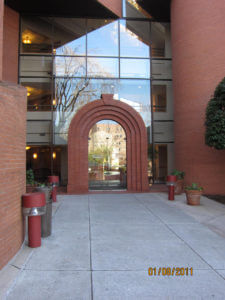
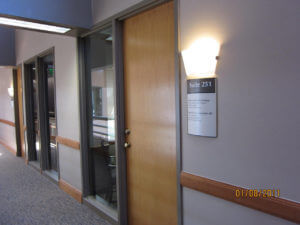
The Medical Quarters - Suite 251
5555 Peachtree-Dunwoody Road at Johnson Ferry Road
Atlanta, GA 30342
(404) 252-6454
The intersection of Northside, Emory Saint Joseph and Children's Healthcare of Atlanta

Atlanta Clinical Psychologist (ABPP)
 Dr. David B. Adams is board certified in clinical psychology.
Dr. Adams is a consulting psychologist and psychotherapist. He diagnoses and treats adults with anxiety, depression, and sexual disorders.
Dr. Adams provides pre-surgical evaluation when procedures require that a patient be psychologically cleared prior to surgery.
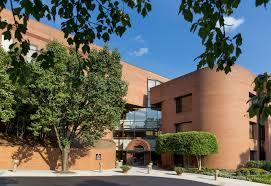
Since 1984, Dr. Adams has directed Atlanta Medical Psychology, a solo, private practice for adult patients located in the Northside of Atlanta (Sandy Springs) at "Pill Hill" in The Medical Quarters (the intersection of Northside, Children's Healthcare of Atlanta, and Emory Saint Joseph hospitals.)
Dr. Adams' care is covered under most healthcare plans. To determine the availability of an initial consultation, please click on "Request Appointment."
Dr. Adams is a Fellow of the Academy of Clinical Psychology, a Life Fellow of the Academy of Consultation Liaison Psychiatry, and a Life Fellow of the American Psychological Association. He is a Distinguished Practitioner Emeritus of the National Academies of Practice in Psychology.
See Reviews on RateMDs. Wellness. Health Grades. Google. WebMD. Vitals. CareDash. Yelp. and rated as one of the Three Best in Atlanta.
A license to practice does not necessarily mean that a doctor is board certified in his/her profession. Board certification can be an important consideration. The Board of Professional Psychology can provide you with a list of ABPP psychologist in your locale. Look for "ABPP" following Ph.D. Read more about board certification. and about the American Board of Professional Psychology:

Atlanta Medical Psychology is located in Suite 251 of The Medical Quarters at 5555 Peachtree Dunwoody Rd, NE. Atlanta, GA 30342. (Phone: 404-252-6454) Dr. David B. Adams is in solo practice. Your insurance carrier will confirm whether Dr. Adams is on their panel of approved providers.
MARTA, Children's Health Care if Atlanta, Northside and Emory St. Joseph's Hospitals are within walking distance. Pharmacy and cafe are located within The Medical Quarters. Please keep in mind that this is a solo practice, and you will be scheduled as appointment times become available. All care is provided only in office.
American Psychological Association American Board of Professional Psychology
 Loading ...